How-to
From observation to notice
1:20 · captions available · published October 23, 2026
Transcript
What the film says
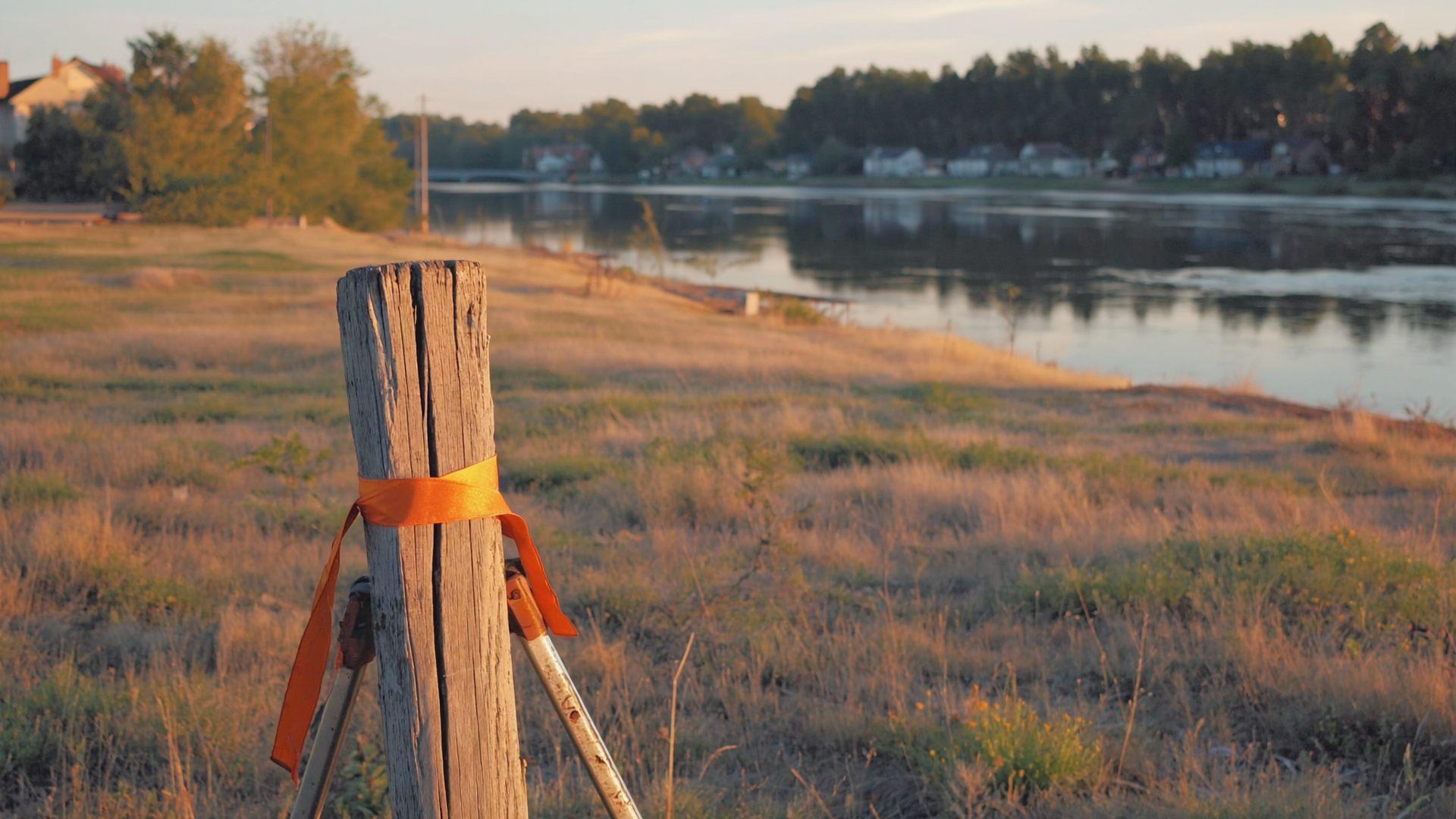
This is where the walk ends up. The observation from the field: a photo, a note, the date, and the name of the person who stood there.
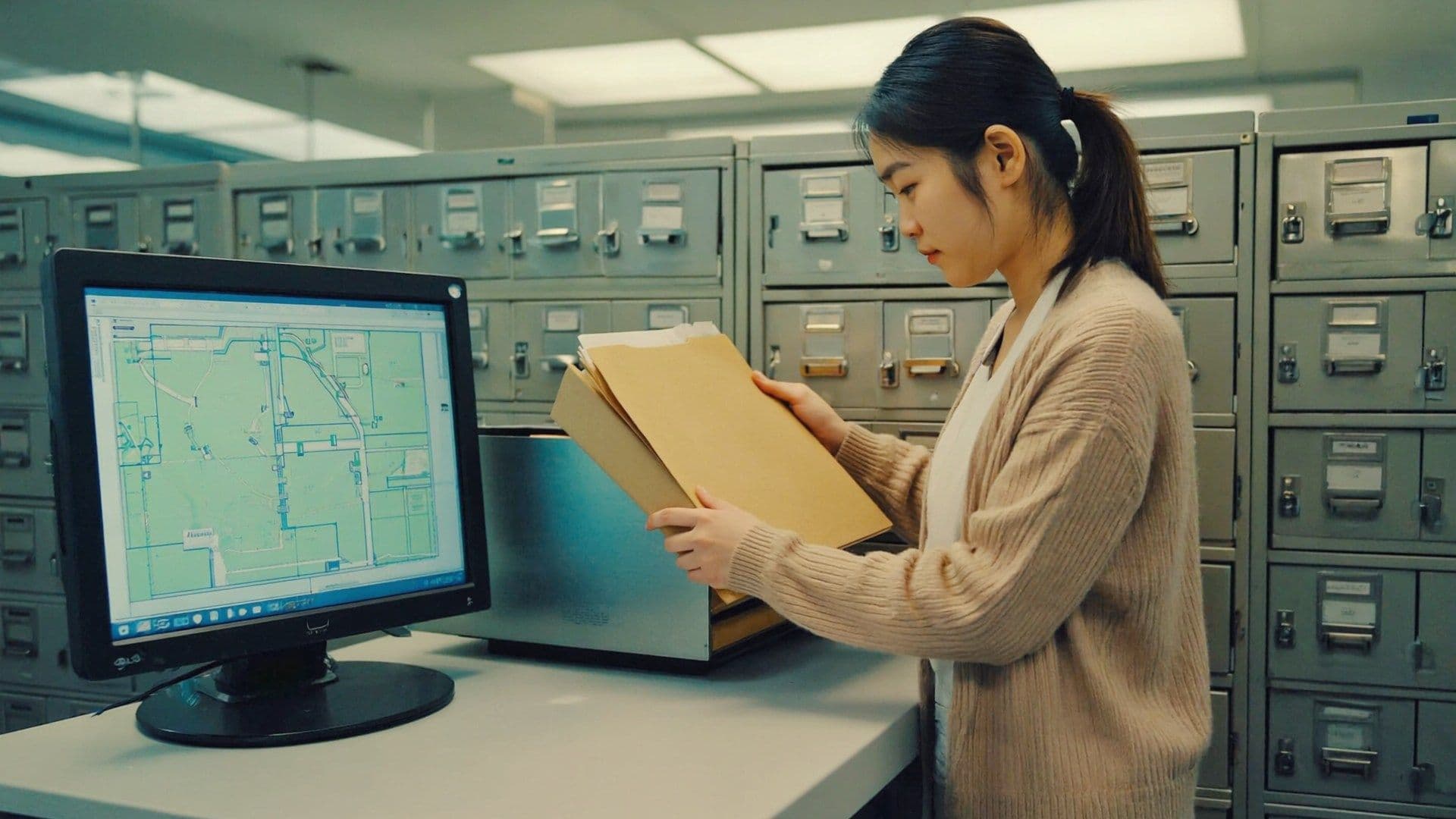
Records are a reason to go and look. They can never call a property vacant on their own — only the person who stood there can, and this is their finding.
The letter it writes cites your own code. Your ordinance was read once, in settings, and each notice was drafted from its text and approved by you, word by word.
So the citation, the days allowed and the penalty all come from that approved template. Not from us, and not from a default.
Preview it on your letterhead before anything is sent. What you see is what gets served, and that exact wording is kept with the notice forever.
Record how it was served, and the deadline is counted for you — calendar days, or days excluding Sundays and holidays, whichever your code says.
From then on it sits on the Enforcement list with the days remaining, and the day the deadline passes it says so in plain red. One parcel, one page, from the walk to the letter.
Next: inviting your team and roles.
What you just saw
One parcel, every record it belongs to, and the written reason for every point of its score. The same screen on your own town is a free trial away.